The single pattern
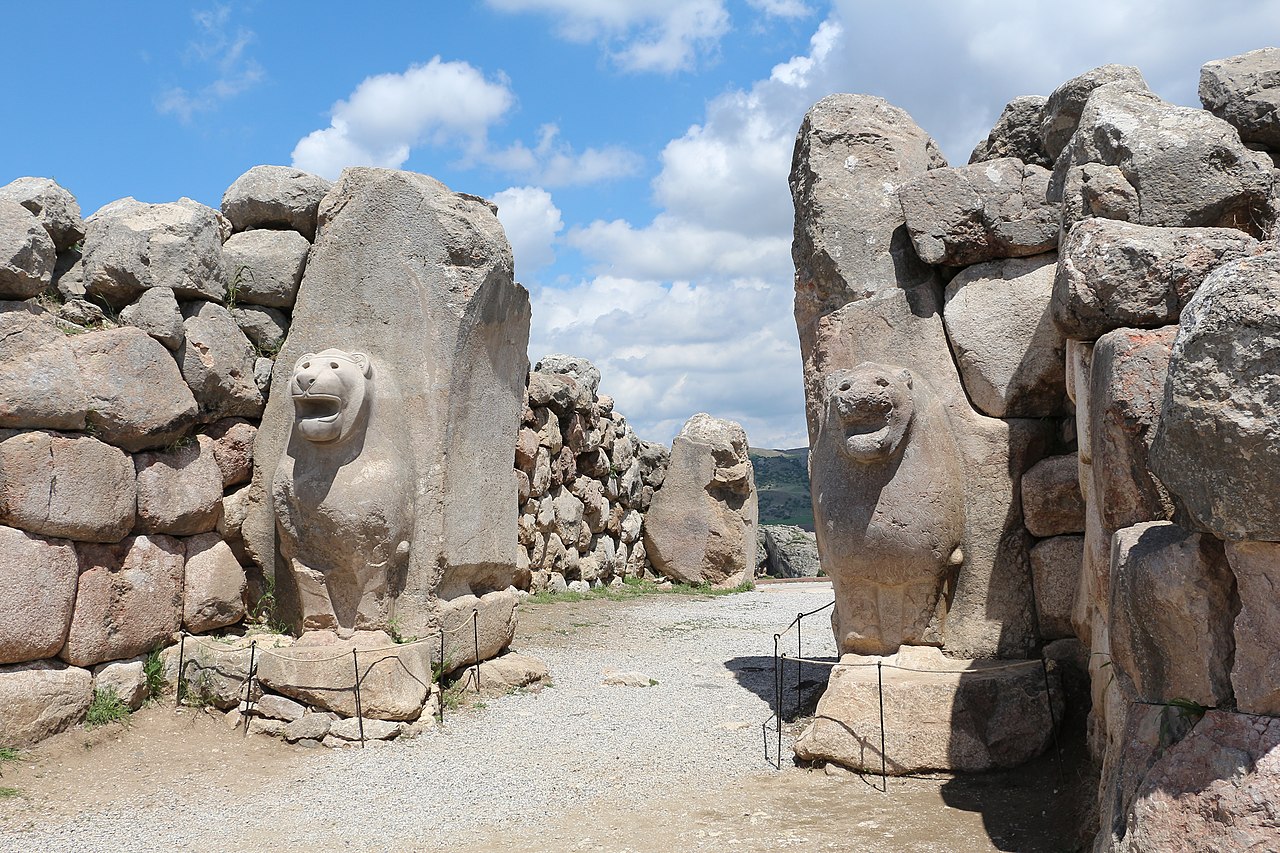
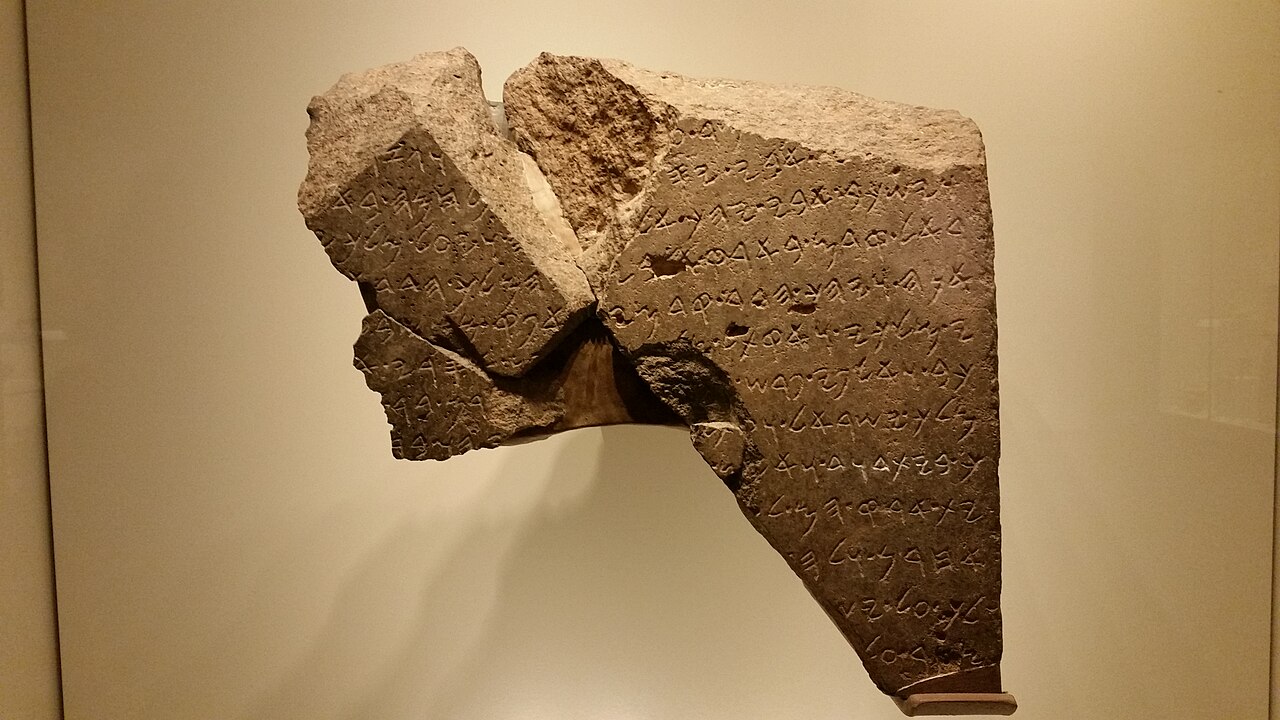
Every entry here is a place where Scripture made a checkable claim about history (a people, a king, a road, a manuscript), the claim was doubted because nothing outside the Bible had yet confirmed it, and then something was recovered that did. The point is narrow and strong: the Bible keeps proving to be telling the truth about the world it describes.
What archaeology proves, and what it does not
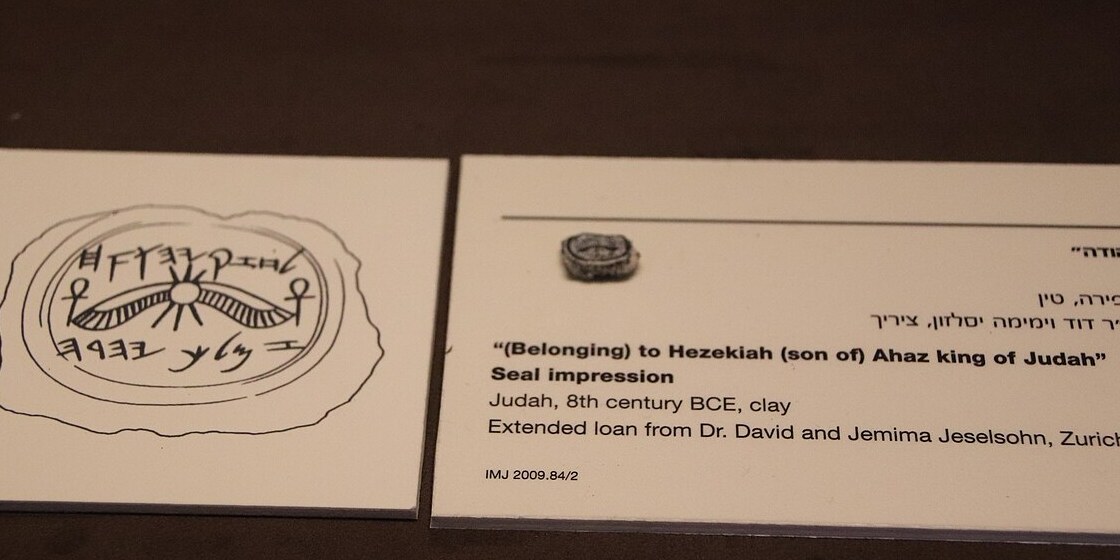
A find that confirms Hezekiah, or David’s dynasty, or the Hittites, establishes historical reliability. It does not, by itself, prove that Scripture is inspired by God; a true history is not yet a holy one. What it does is remove a specific objection: that the Bible is legend dressed as history. Honest skeptics have changed their minds on exactly this ground. Set beside fulfilled prophecy and the preservation of the text, it forms part of a cumulative case, not a single knockdown proof. This page is content to claim what the evidence actually bears.
On the Cyrus Cylinder
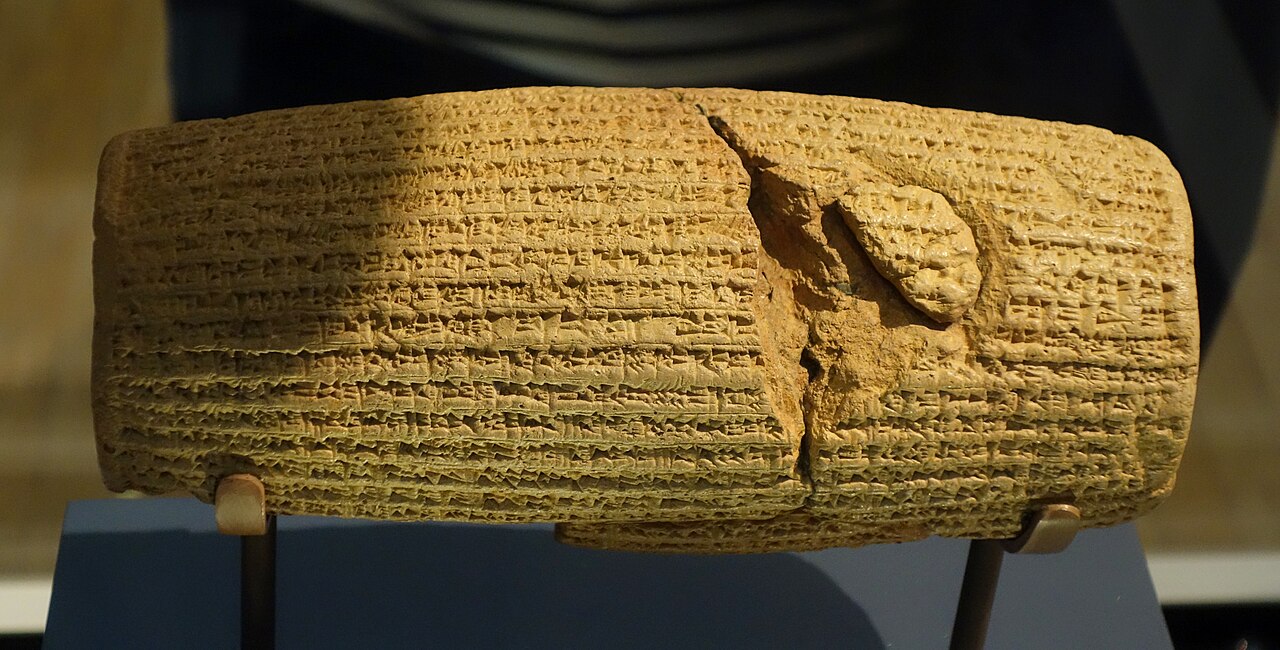
The cylinder records Cyrus’s general policy of returning conquered peoples to their lands and rebuilding their temples. It does not mention the Jews or Jerusalem specifically. It confirms that the kind of decree Ezra 1 describes was authentic Persian policy under the very king Ezra names, which is what the entry claims, and no more.
On the Solomonic gates
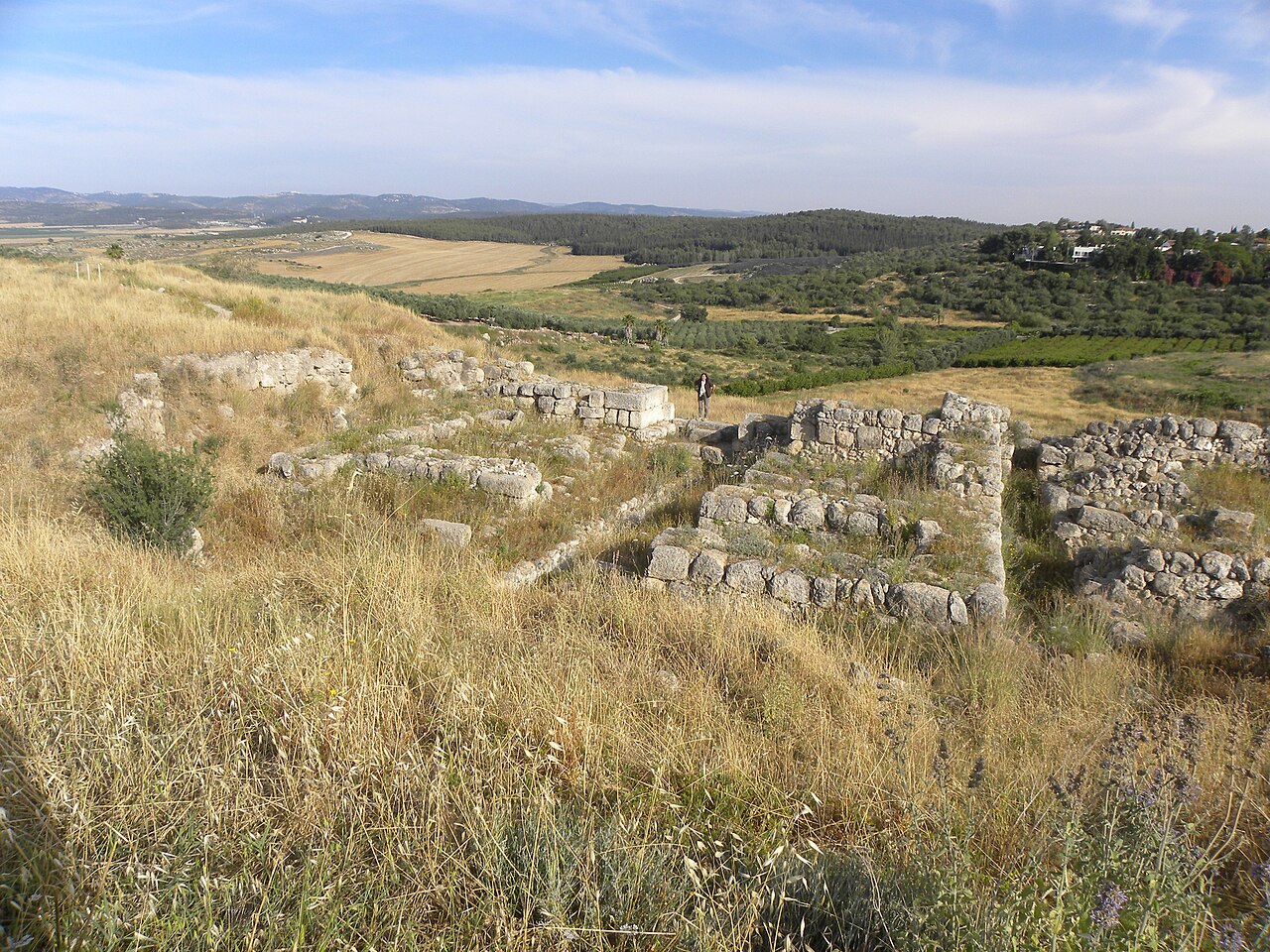
The six-chambered gates at Hazor, Megiddo, and Gezer share one design and stand exactly where 1 Kings 9:15 places Solomon’s building work. Whether they date precisely to Solomon’s reign or to a generation or so later is debated among archaeologists (the “high” versus “low” chronology). The entry rests only on what is agreed: three cities the Bible pairs, one gate plan, one road.
On naming the skeptics fairly
The doubts described here were real scholarly positions, not strawmen: the nineteenth-century view that the Hittites were a biblical embellishment, and the late-twentieth-century “minimalist” argument that David’s monarchy was a later invention. This page states those positions in summary rather than quoting individual scholars, so as not to put words in any person’s mouth. The positions are accurately represented; the discoveries answered them.
Finds we left off, and why
The presentations that prompted these entries include a few finds we deliberately did not give full cards, because this page holds to uncontestable ground:
- The “Isaiah” bulla: a seal impression found near Hezekiah’s that may read “Isaiah the prophet,” but the deciding word sits on a broken edge, and the reading is genuinely disputed.
- The “Jerubbaal” (Gideon) inscription: a jar inscribed with the name Jerubbaal (Gideon’s other name, Judg 6–8), from roughly the right period; intriguing, but it cannot be tied to the Gideon.
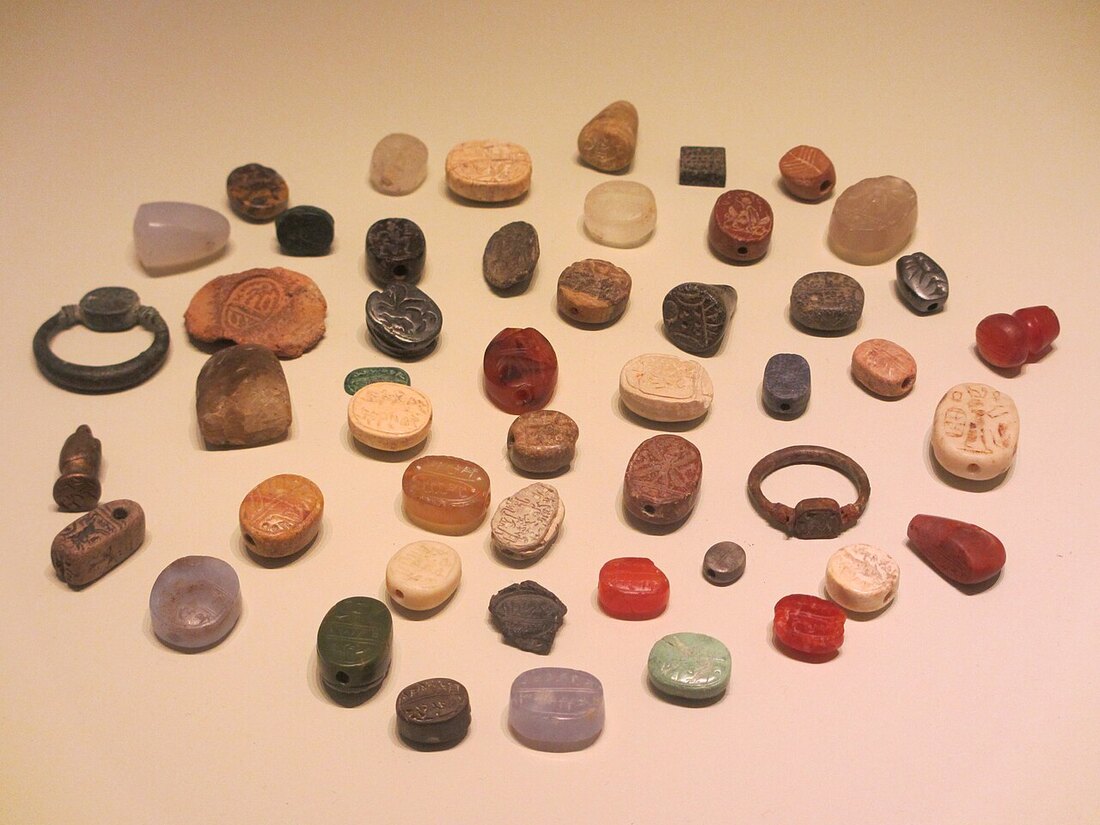
- Royal seals from the antiquities market: seals bearing the names of kings such as Ahaz, Uzziah, and Manasseh exist, but most surfaced through dealers rather than controlled digs, so their authenticity is debated. The excavated bullae (Hezekiah, and Jehucal and Gedaliah) stand on firmer ground, which is why those are the ones on this page.
- Jericho: that an ancient walled Jericho existed and was destroyed is not in question; what is debated is the date of that destruction, and therefore whether it lines up with Joshua. We have left the question where the evidence leaves it.
Into the New Testament
The same pattern continues past the Old Testament: the Pilate Stone found at Caesarea in 1961, naming the very governor of the Gospels; the Forum of Appius and the Three Taverns of Acts 28 still traceable along the Appian Way. Those belong to a New Testament study; this spoke keeps to the Old Testament timeline it serves.
Image credits
- Lion Gate, Hattusa: photo by Bernard Gagnon, Wikimedia Commons, CC BY-SA 3.0.
- Tel Dan Stele: photo by Liadmalone, Wikimedia Commons, CC BY-SA 4.0.
- Seal (bulla) of Hezekiah, Israel Museum: photo by Gary Todd, Wikimedia Commons, CC0 / public domain.
- Six-chambered gate, Tel Gezer: photo by Ian Scott, Wikimedia Commons, CC BY-SA 2.0.
- Cyrus Cylinder: photo by Daderot, Wikimedia Commons, CC0 / public domain.
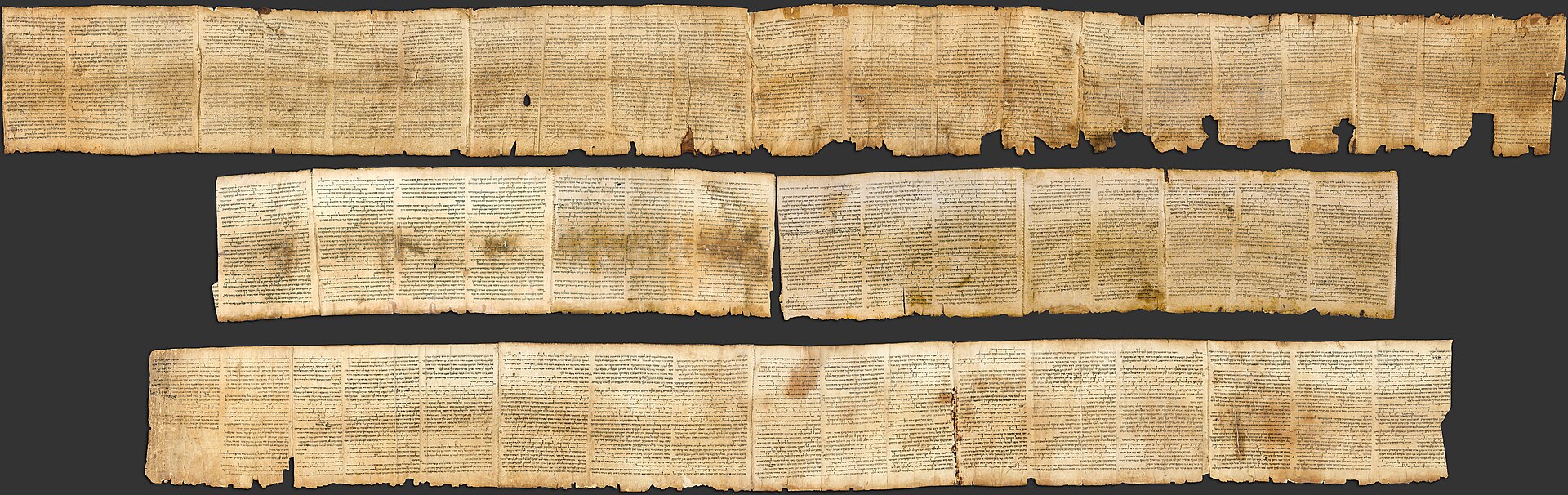
- Great Isaiah Scroll: photograph by Ardon Bar-Hama; the scroll is in the public domain, Wikimedia Commons.
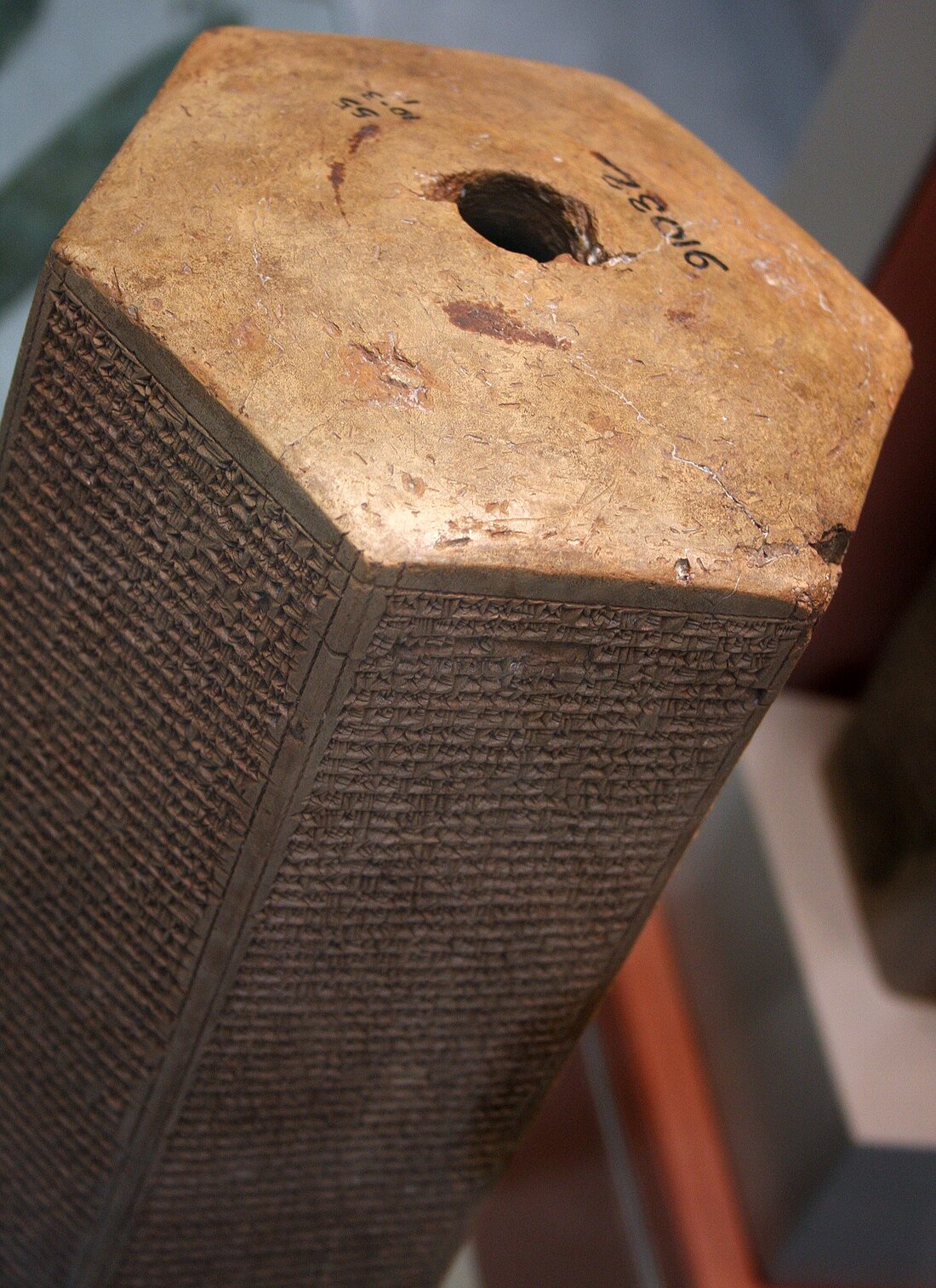
- Taylor Prism (Sennacherib’s Annals), British Museum: photo by David Castor, Wikimedia Commons, public domain.
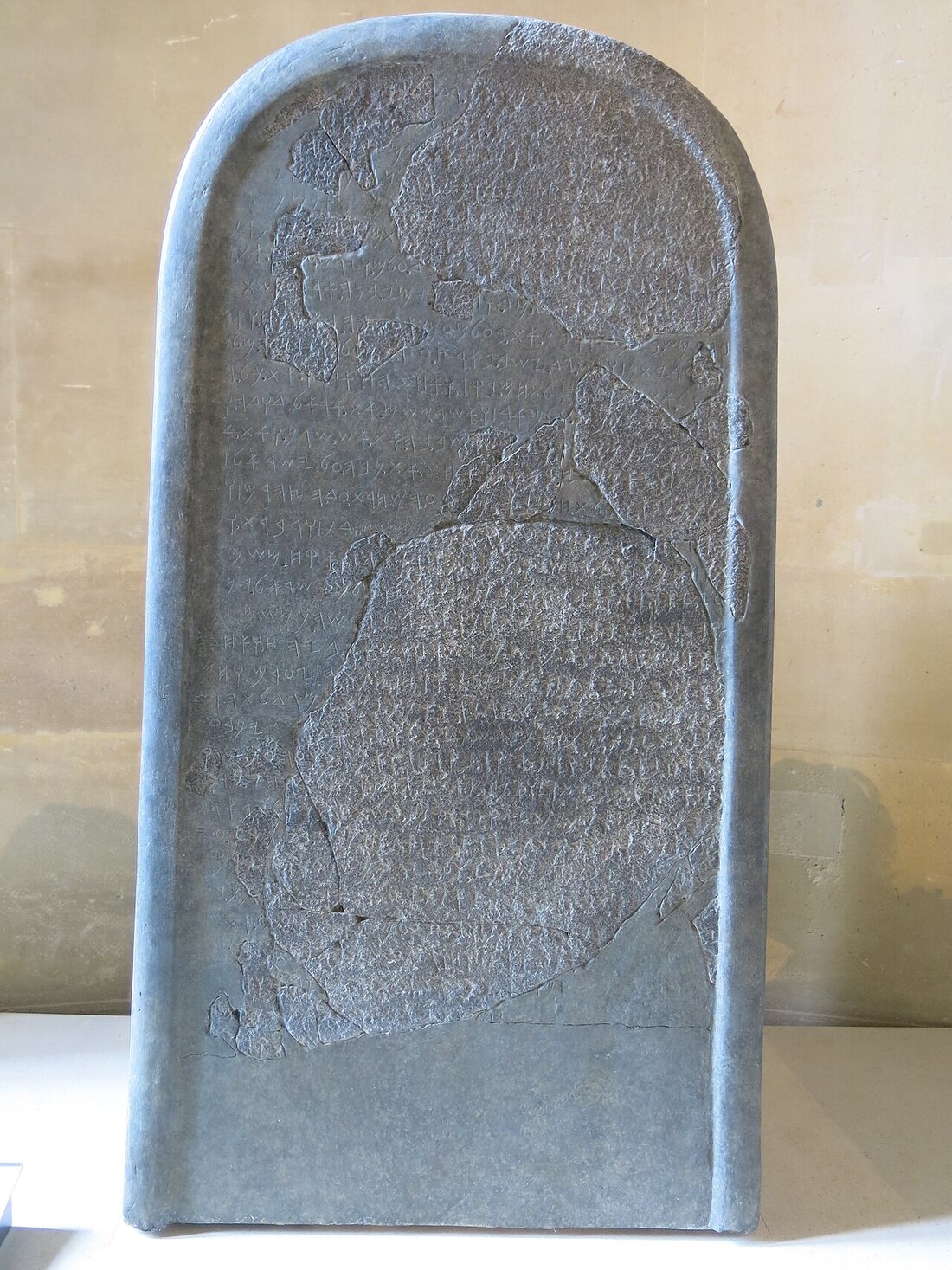
- Mesha Stele (Moabite Stone), Louvre: photo by Tangopaso, Wikimedia Commons, public domain.
- Ancient Hebrew seals, Israel Museum: photo by Chamberi, Wikimedia Commons, CC BY-SA 3.0.
Where this came from
This spoke was occasioned by “I Am Convinced,” a lesson on the evidences that the Bible is the word of God, presented by Charles Willis at the New Caney church of Christ in June 2026. Further entries (Sennacherib’s Prism, the Mesha Stele, and the two officials of Jeremiah 38) were drawn from that congregation’s 2024 “Bible Evidence You Can Believe” archaeology presentation. The Scripture quotations have been checked against the NASB; the archaeological claims against standard references on each site.


.jpg)


.jpg)
.jpg)


